

What Are You Looking For?
Gravity casting is widely used in the production of aluminum alloy components for automotive parts, water pumps, industrial machinery, electrical equipment, and other applications. It offers good mechanical properties, reliable dimensional accuracy, and relatively low production costs.However, casti...
Read MoreIndustry Blog | November 2026 1. Introduction In today's competitive manufacturing industry, reducing production costs while maintaining product quality has become a major challenge for aluminum casting manufacturers. Aluminum gravity casting is widely used in automotive components, water pumps, ele...
Read More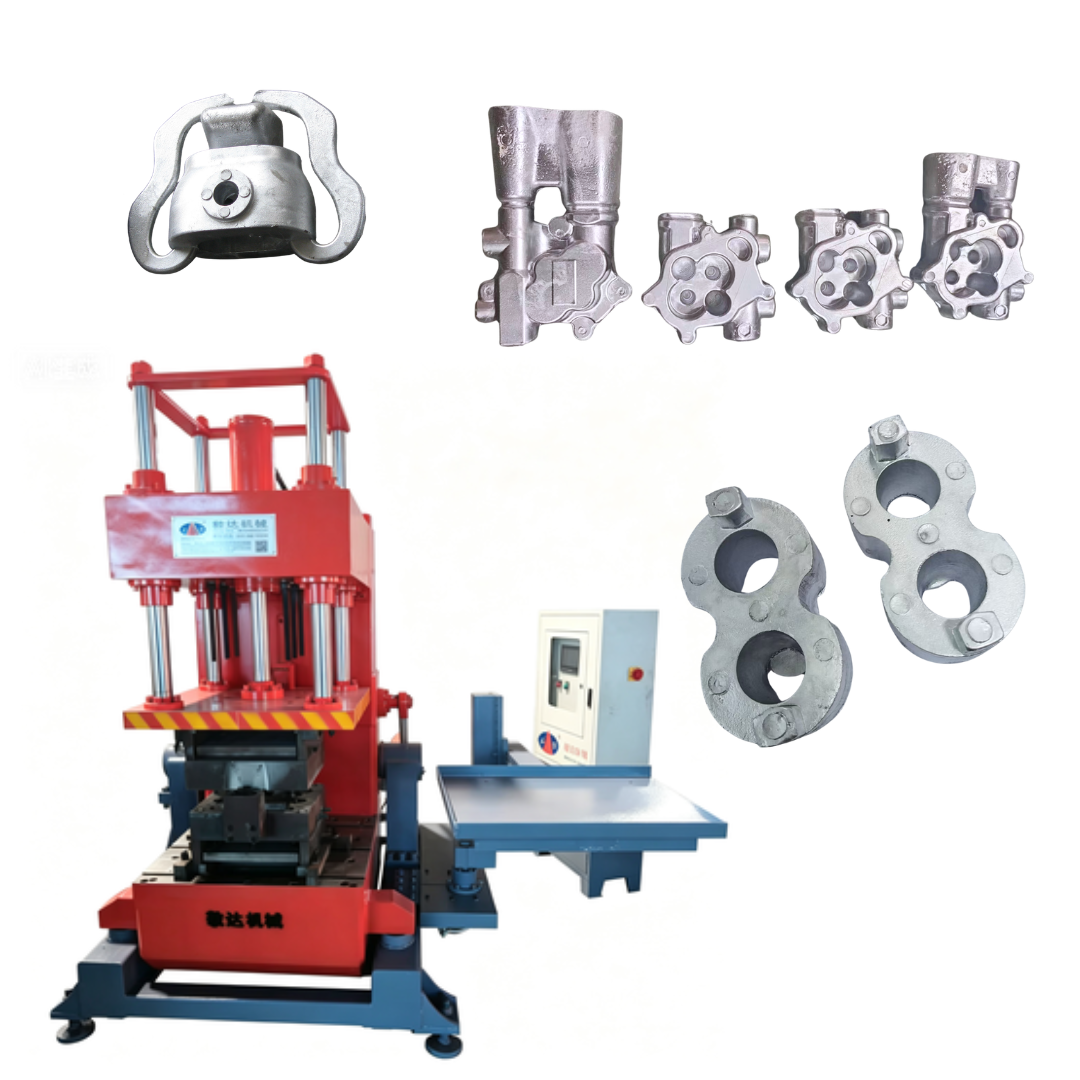
In aluminum alloy gravity casting, the internal quality of a casting depends largely on how the molten aluminum enters the mold cavity and how it subsequently solidifies. As the equipment responsible for the casting process, a gravity casting machine—through its tilting stability, speed contro...
Read More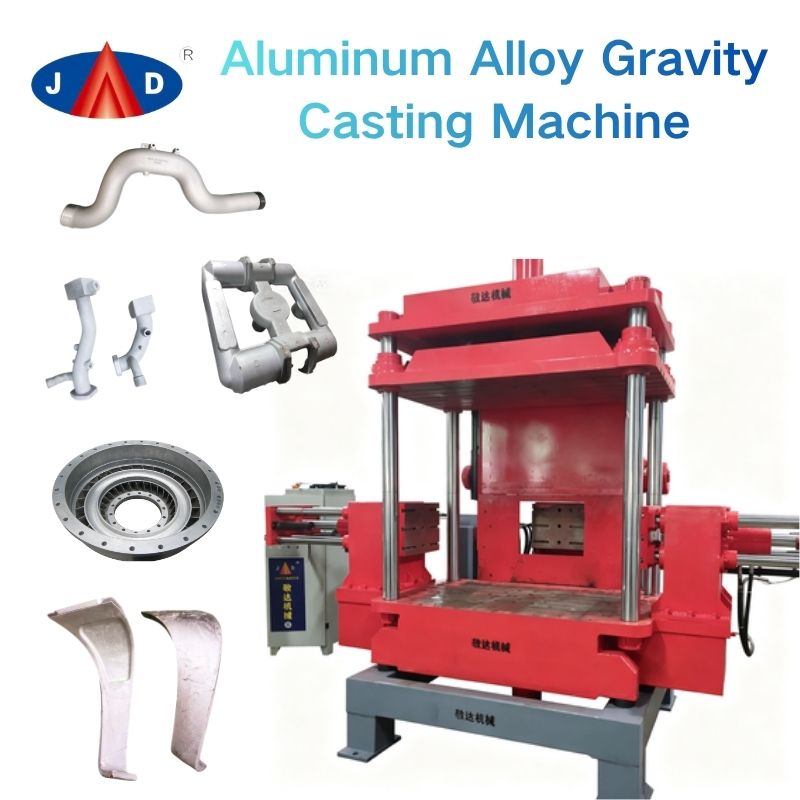
The tilting motion of a gravity casting machine is executed by a drive system; the choice of drive mechanism influences the smoothness of the tilting action, the precision of speed control, and daily energy consumption. Common drive solutions include hydraulic and servo-driven systems, each suited t...
Read MoreFoundries often handle orders involving a variety of aluminum alloy grades. A pump housing might be cast in A356 one day, while a bracket is cast in ADC12 the next; these alloys differ significantly in terms of fluidity, solidification characteristics, and required pouring temperatures. A gravity ca...
Read More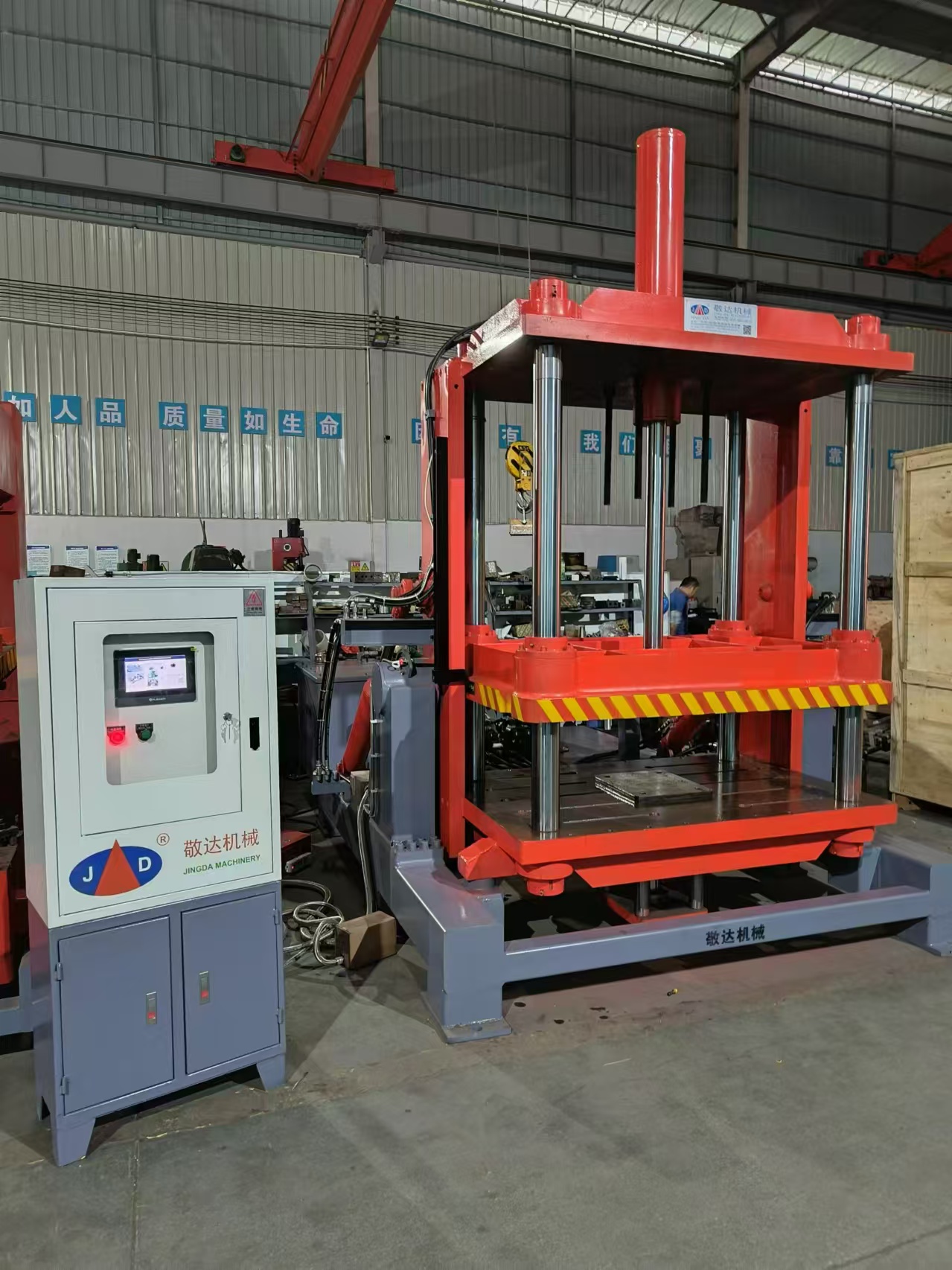
Introduction The trend toward lightweighting in new energy vehicles (NEVs) continues to reshape the aluminum alloy casting sector. Gravity casting—traditionally used for cylinder heads and intake manifolds—is expanding into structural components for NEVs, such as motor housings an...
Read More